seismic wire, often referred to as geophones, is a critical component in the field of seismology. This specialized wire plays a crucial role in detecting and measuring seismic waves, providing valuable data about the Earth’s structure and the occurrence of earthquakes. In this article, we will delve into the world of seismic wire, exploring its applications, technology, and impact on society.
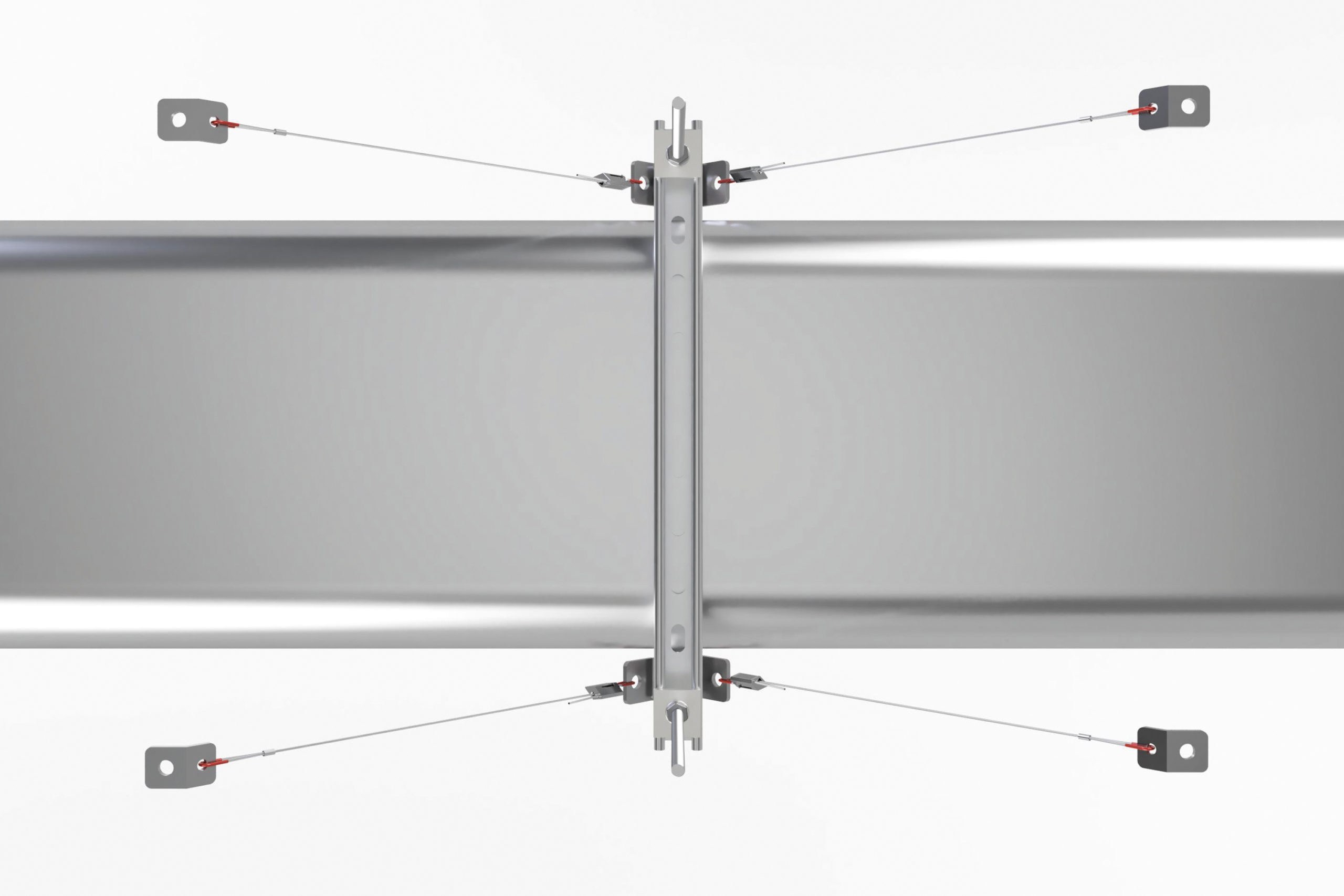
seismic wire is constructed using highly sensitive materials that are capable of detecting even the faintest vibrations within the Earth’s crust. These vibrations, known as seismic waves, are caused by a variety of sources such as earthquakes, underground explosions, and volcanic activity. By capturing and analyzing these waves, scientists are able to gain insights into the inner workings of the Earth and predict potential seismic events.
One of the most common uses of seismic wire is in the field of oil and gas exploration. Companies use seismic surveys to locate underground reservoirs of oil and natural gas by sending sound waves deep into the Earth and capturing the reflections with geophones. The data collected by the seismic wire helps geologists create detailed maps of subsurface structures, allowing them to identify potential drilling sites with higher accuracy.
seismic wire is also used in the construction industry to assess the stability of the ground before building structures such as bridges, dams, and skyscrapers. By installing geophones in the ground, engineers can monitor any changes in the soil composition or detect the presence of underground faults that could compromise the safety of a building. This proactive approach to seismic monitoring has helped prevent catastrophic failures and saved countless lives.
In addition to its applications in oil and gas exploration and construction, seismic wire plays a crucial role in earthquake early warning systems. By strategically placing geophones along fault lines, scientists can detect the initial shockwaves of an earthquake and send alerts to populated areas before the destructive waves arrive. This early warning system has the potential to save lives and minimize the impact of devastating earthquakes on communities.
The technology behind seismic wire continues to evolve, with advancements in materials and design leading to more accurate and reliable data collection. Modern geophones are equipped with sophisticated sensors and communication systems that allow for real-time monitoring of seismic activity. These wireless systems can be deployed in remote or hazardous locations, providing researchers with valuable insights into the Earth’s dynamics.
The impact of seismic wire extends beyond the scientific community, with societal implications that can shape disaster preparedness and urban planning. By understanding the seismic risks of a region, governments and policymakers can develop strategies to mitigate the impact of earthquakes and improve the resilience of infrastructure. Investing in seismic monitoring technologies such as geophones can lead to safer communities and more sustainable development practices.
Despite its importance, seismic wire remains relatively unfamiliar to the general public. By raising awareness about the role of geophones in seismology, we can foster a greater understanding of the Earth’s dynamics and the need for proactive measures to address seismic hazards. Education and outreach initiatives can help bridge the gap between scientists and society, empowering individuals to participate in disaster preparedness efforts.
In conclusion, seismic wire is a powerful tool that enables scientists to unravel the mysteries of the Earth and mitigate the impact of seismic events on society. From oil exploration to earthquake early warning systems, geophones play a critical role in advancing our understanding of the planet’s dynamic processes. By harnessing the potential of seismic wire, we can build a safer and more resilient future for generations to come.