seismic wire, also known as geophone wire or seismometer wire, is a crucial component in the field of seismology and earthquake detection. This highly specialized wire is designed to pick up the subtle vibrations of the Earth’s crust, helping scientists and researchers monitor and understand seismic activity. In this article, we will explore the importance of seismic wire in earthquake detection and how it plays a vital role in keeping communities safe.
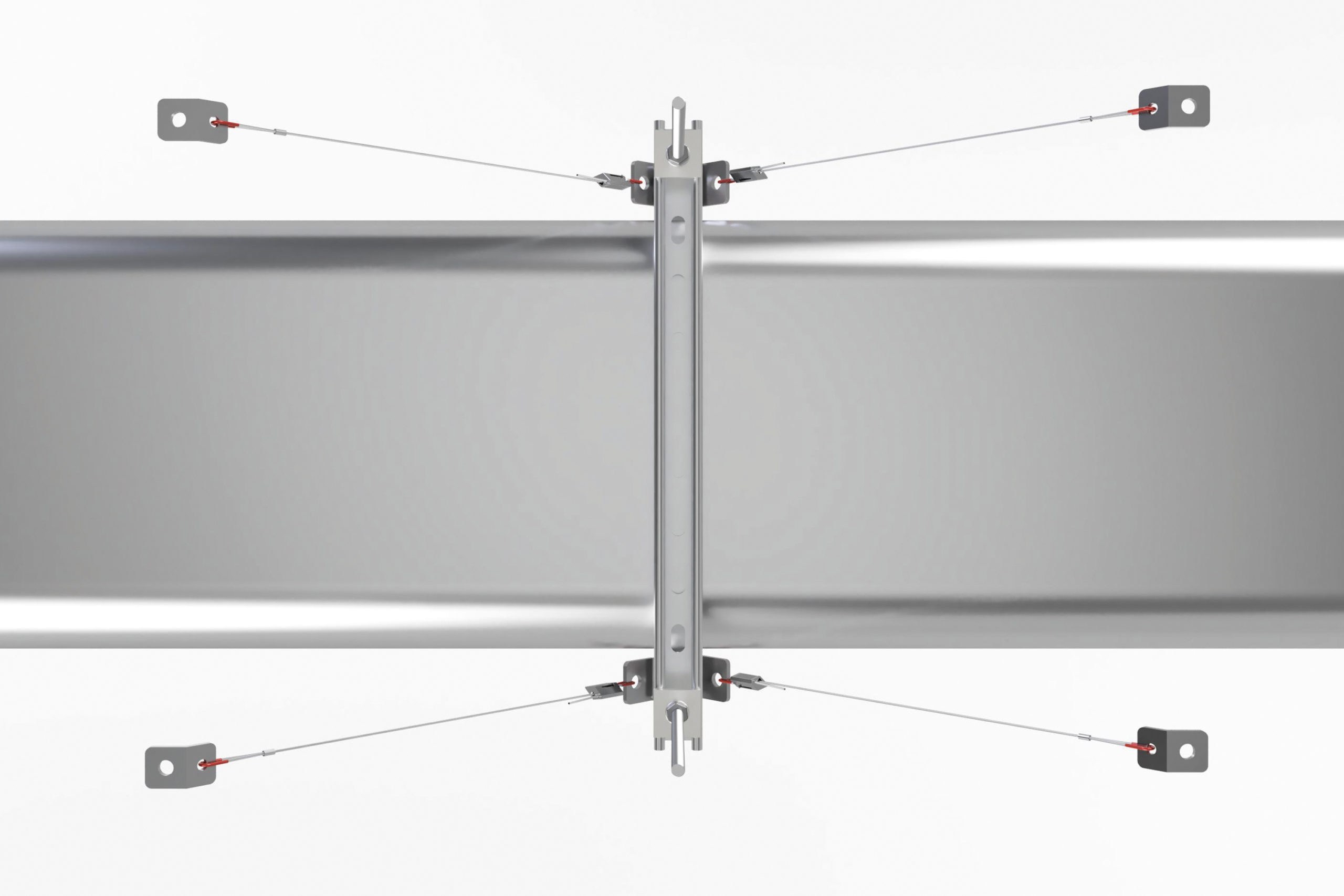
seismic wire is typically made of durable materials such as copper or steel, designed to withstand harsh environmental conditions. The wire is often buried underground or deployed on the surface in grid patterns to effectively capture seismic waves. When an earthquake occurs, the waves travel through the Earth’s crust and are picked up by the geophones connected to the seismic wire. These geophones then convert the mechanical vibrations into electrical signals, which are transmitted through the wire to a data collection system.
The data collected by the seismic wire provides valuable information about the intensity, duration, and location of the earthquake. By analyzing this data, scientists can create seismic maps that help predict future seismic events and assess the seismic risk in different regions. This information is crucial for disaster preparedness and response, allowing authorities to take appropriate measures to protect lives and property.
One of the key benefits of seismic wire is its ability to detect earthquakes in real-time. This rapid detection is essential for issuing timely warnings and alerts to communities at risk. In earthquake-prone regions, early warning systems rely on data collected from seismic wires to trigger alarms and initiate evacuation protocols. This early warning can make a significant difference in reducing casualties and minimizing damage caused by earthquakes.
seismic wire is also used in scientific research to study the Earth’s structure and dynamics. By analyzing the seismic waves captured by the wire, researchers can gain insights into the composition of the Earth’s interior and how seismic waves propagate through different geological formations. This research is crucial for advancing our understanding of plate tectonics, earthquake mechanisms, and volcanic activity.
In addition to earthquake detection, seismic wire is also used in the oil and gas industry for exploration and monitoring of underground reservoirs. By deploying seismic wires in strategic locations, companies can map the sub-surface geology and identify potential hydrocarbon deposits. This information is used to optimize drilling operations and improve the efficiency of oil and gas extraction.
The advancements in technology have led to the development of innovative seismic wire systems that offer higher sensitivity and data accuracy. Modern seismic wires are equipped with advanced sensors and data processing capabilities that enable real-time monitoring and analysis of seismic activity. These systems can detect even the smallest earthquakes and provide detailed information about their magnitude and location.
Despite its importance, seismic wire is often an overlooked component of earthquake detection systems. Many people are unaware of the crucial role that this wire plays in keeping communities safe from seismic hazards. As earthquakes continue to pose a significant threat to populated areas around the world, it is essential to prioritize the maintenance and deployment of seismic wire systems to enhance preparedness and resilience.
In conclusion, seismic wire is a critical tool in earthquake detection and monitoring. This specialized wire plays a vital role in capturing seismic waves and providing valuable data for scientists and researchers. By investing in advanced seismic wire systems and leveraging its capabilities for real-time monitoring, we can improve our ability to predict and respond to seismic events. As we continue to face the challenges of living in earthquake-prone regions, embracing the power of seismic wire is essential for safeguarding our communities and building a more resilient future.