Seismic bracing is a crucial aspect of construction that ensures buildings are able to withstand the forces of earthquakes and other natural disasters. As populations continue to grow and urban areas expand, it is more important than ever to have structures that are properly braced for seismic events. In this article, we will delve into the significance of bracing seismic in construction and what can be done to reinforce buildings to make them safer.
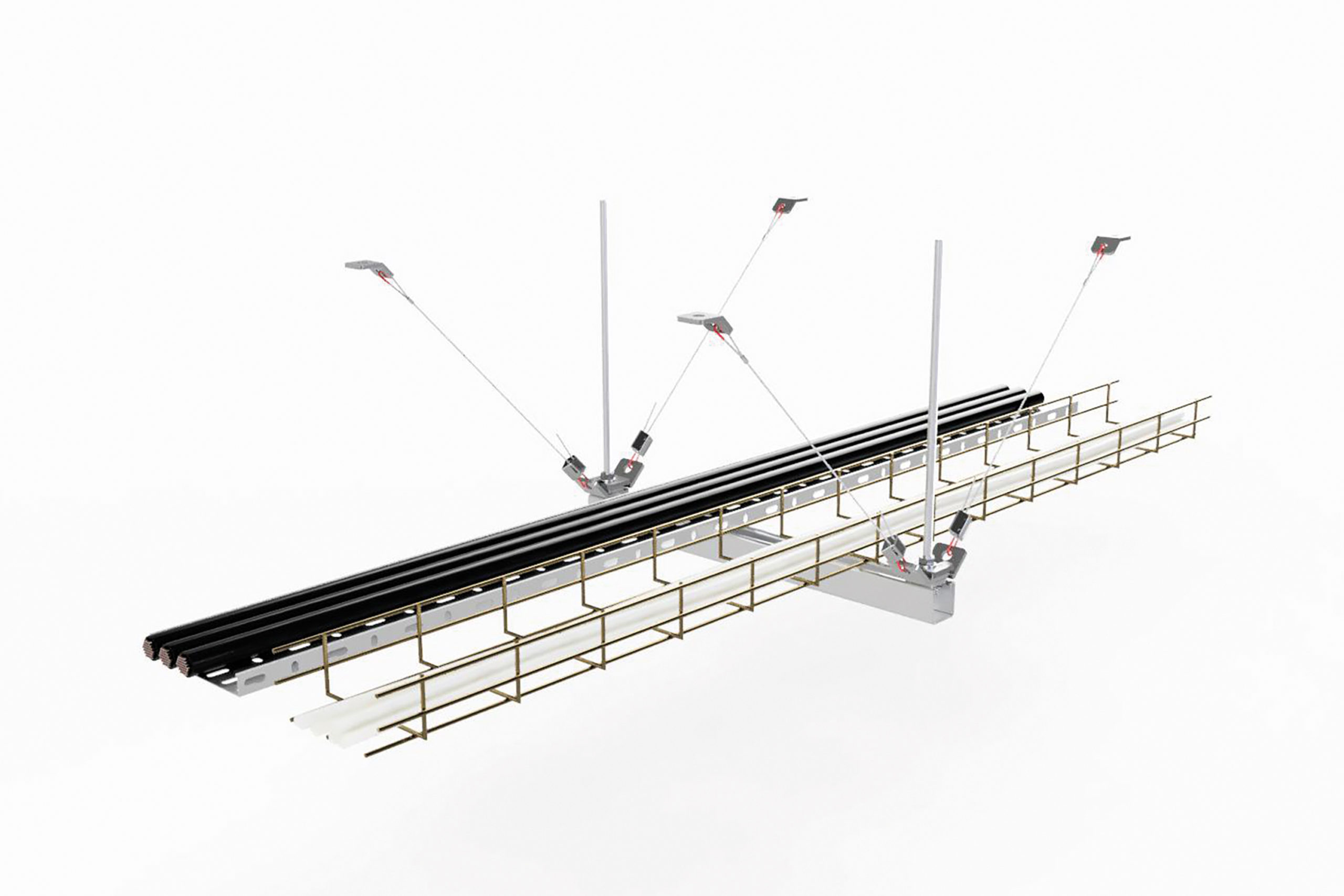
Seismic bracing refers to the installation of structural elements that help to distribute seismic forces throughout a building. These elements are essential in reducing the impact of earthquakes on buildings, as they help to prevent collapse and damage. Without proper bracing, buildings are at a higher risk of failure during a seismic event, putting the safety of occupants and neighboring structures in jeopardy.
One of the key benefits of bracing seismic in construction is the protection it provides for the occupants of a building. By ensuring that a structure is properly braced, the likelihood of injuries or fatalities during an earthquake is greatly reduced. This is especially important in densely populated urban areas where the risk of earthquakes is higher. Seismic bracing can mean the difference between life and death in these situations, highlighting its critical role in construction.
Aside from protecting occupants, bracing seismic also helps to preserve the integrity of buildings. Without proper bracing, structures can suffer extensive damage during an earthquake, leading to costly repairs and potential destruction. By investing in seismic bracing during the construction phase, building owners can save money in the long run by avoiding expensive repairs and rebuilding efforts after a seismic event.
Moreover, bracing seismic is essential for maintaining the functionality of buildings. In areas prone to earthquakes, it is crucial for structures to remain operational after a seismic event to ensure continuity of services and support for residents. By incorporating seismic bracing into construction projects, buildings are better equipped to withstand earthquakes and continue serving their intended purposes even in the face of natural disasters.
There are several methods that can be used to brace buildings for seismic events, ranging from installing steel braces and tension rods to reinforcing walls and foundations. The choice of bracing method depends on factors such as building size, location, and intended use. Working with experienced engineers and architects is crucial to determine the most effective bracing strategy for a particular structure.
In addition to bracing new construction projects, it is also important to retrofit existing buildings with seismic bracing to improve their resilience to earthquakes. Retrofitting older buildings can be a complex and costly process, but the benefits of enhanced safety and protection make it a worthwhile investment. Governments and building owners should prioritize retrofitting initiatives to ensure the safety of occupants and the overall resilience of urban areas.
In conclusion, bracing seismic in construction is a critical measure for protecting buildings and their occupants from the devastating effects of earthquakes. By investing in proper seismic bracing, buildings can be made more resilient to seismic forces, reducing the risk of collapse and damage during earthquakes. It is essential for governments, building owners, and construction professionals to prioritize bracing seismic in all construction projects to create safer and more sustainable built environments.